Global web icon
wikipedia.org
https://en.wikipedia.org/wiki/Bursera_microphylla
Bursera microphylla - Wikipedia
Bursera microphylla, known by the common name elephant tree in English or ' torote' in Spanish, is a tree in the genus Bursera. It grows into a distinctive sculptural form, with a thickened, water-storing or caudiciform trunk. It is found in the southwestern United States and northwestern Mexico.
Global web icon
worldofsucculents.com
https://worldofsucculents.com/grow-care-elephant-t…
How to Grow and Care for an Elephant Tree - World of Succulents
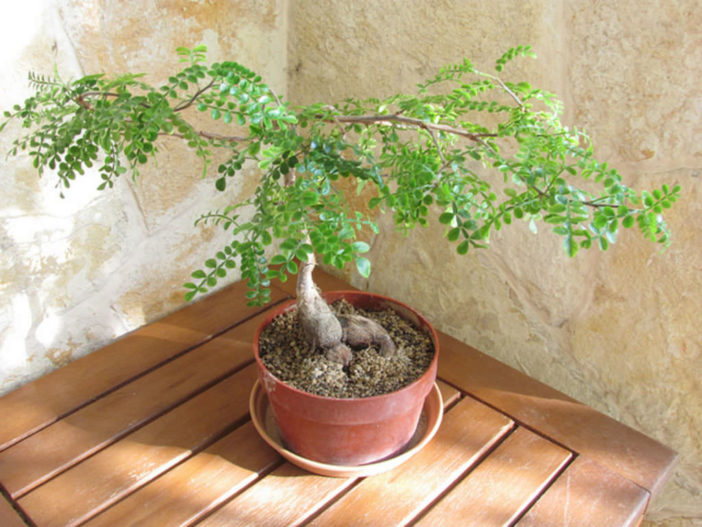
Operculicarya decaryi, commonly known as Elephant Tree, originates from Madagascar and, like most plants from this island, has many unique and exotic characteristics.
Global web icon
desertusa.com
https://www.desertusa.com/flora/elephant-tree.html
Elephant Tree - DesertUSA
The elephant tree is the rare, northernmost species of small, aromatic, tropical family which is extremely susceptible to cold. Their short, very stout, tapered trunks and branches are reminiscent of an elephant's legs and trunks, hence their name.
Global web icon
southwestdesertflora.com
http://southwestdesertflora.com/WebsiteFolders/All…
Bursera microphylla, Elephant Tree, Southwest Desert Flora
Comments: A Sonoran Desert species, Elephant Tree foliage is aromatic and its name is in reference to its massive, swollen-looking even grotesque, trunks which may resemble an elephants trunk or leg. Arizona and California represent the northern most limits of Elephant Tree.
Global web icon
calscape.org
https://calscape.org/Bursera-microphylla-(Elephant…
Elephant Tree - Calscape
Although typically a small tree, the elephant tree can grow as a sprawling, shrub-like plant in harsher conditions, often reaching just three feet in height. It has light gray to white bark that peels off in thin, papery layers. Younger branches may appear reddish.
Global web icon
unitedplantsavers.org
https://unitedplantsavers.org/elephant-tree-burser…
Elephant Tree – Bursera microphylla - United Plant Savers
The gray vireo (Vireo vicinior) in particular is dependent on the fruit of the tree as a food source, and the bird’s range in the winter is limited by where the tree can grow.
Global web icon
spadefootnursery.com
https://www.spadefootnursery.com/trees-a-thru-m/bu…
Elephant Tree (Bursera microphylla) — Spadefoot Nursery, Inc.
Elephant trees are special and unusual plants we call “caudiciform” or fat succulent plants. They are in the frankincense family and are the new world cousins of that old world group of fragrant plants.
Global web icon
desertmuseum.org
https://www.desertmuseum.org/books/nhsd_burseracea…
Burseraceae (torchwood family)
There are about 12 species of Bursera in the Sonoran Desert region, about a third of which occur in the desert. This large shrub or small tree grows to 25 feet (8 m) tall; it usually has several contorted trunks and reddish branches.
Global web icon
aznps.com
https://aznps.com/landscape_plants/elephant-tree/
Elephant Tree : The Arizona Native Plant Society - AZNPS
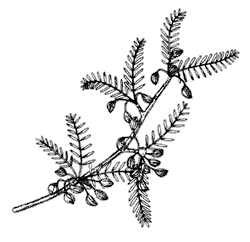
Distinctive with its reddish bark that looks bulging with the bark peeling in thin strips. Leaves are compound with very small leaflets that are usually deep green. Used for skin diseases, used to make coil baskets, and used ceremonially as a good luck charm.
Global web icon
kiddle.co
https://kids.kiddle.co/Elephant_tree
Elephant tree Facts for Kids
The elephant tree, also known as Bursera microphylla, is a unique tree found in the deserts of the southwestern United States and northwestern Mexico. It gets its English name from its thick, swollen trunk, which looks a bit like an elephant's leg!